
PROPERTY ENERGY RETROFIT
Insulation
Adequate insulation is essential for creating a healthy and energy efficient home. By installing insulation, you reduce the risk of damp and improve the internal comfort of your home. It also significantly reduces heat loss and heating bills. The overall energy efficiency rating is increased and potential value of the property. There are various types of roof, wall and floor insulation which all have individual suitability and benefits.

External Wall Insulation
External Wall Insulation involves adding insulation and a protective render finish to the exterior walls of a building. It improves not only the energy efficiency, heat loss, thermal comfort and risk of damp, it also adds soundproofing to the property. By reducing the heat loss and address thermal bridging, it contributes to lower energy bills and a healthier internal environment.
The installation involves the removal and replacement of external items on the property such a meter boxes, electrical incomers and satellite dishes and the extension of the roof eaves to overhand the insulation. There are a range of materials available to suit the most common property build types within the UK.
Internal Wall Insulation
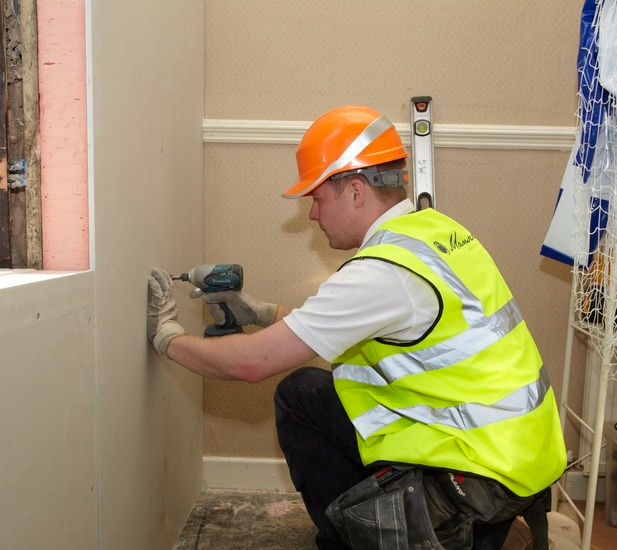
Internal Wall Insulation involves adding insulation and a protective plaster finish to the outer interior walls of a building. It improves the energy efficiency, heat loss and thermal comfort. By reducing the heat loss and address thermal bridging, it contributes to lower energy bills and a healthier internal environment.
The installation involves the removal and replacement of external items on the property such a meter boxes, electrical incomers and satellite dishes and the extension of the roof eaves to overhand the insulation. There are a range of materials available to suit the most common property build types within the UK.

Room in Roof & Sloping Ceiling Insulation
Loft conversions and rooms with sloping ceilings are some of the hardest spaces to keep comfortable — too hot in summer, too cold in winter. We insulate them properly, working into the awkward angles between rafters and around dormers, so the room finally feels like the rest of the house. Warmer, quieter, and usable all year.
.jpeg)
Loft Insulation
Loft Insulation involves laying rolls of insulation across the joists of the roof space. Rockwoll insulation is one of the most commonly used types of insulation. It is a highly effective material made from volcanic rock fibres and traps air to reduce heat transfer.
This has several benefits including reducing heat loss, energy bills, provides fire resistance and noise reduction. Overall, it provides a more comfortable and cosd

Flat Roof Insulation
Flat roofs are a common weak point for heat loss, and getting them wrong invites condensation and damp. We insulate them to the right specification for how the roof is built — warm deck or otherwise — so heat stays in, moisture is managed, and the rooms below feel comfortable rather than cold and draughty. Done once, done properly.

Floor Insulation
Cold floors make a whole room feel colder than it is. We insulate suspended timber and solid floors alike, sealing draughts coming up through the boards and adding insulation that keeps the warmth where you want it. The result is a noticeably cosier home underfoot — and less heat lost to the ground beneath you.